Understanding Deflationary Models: Buyback, Burn & Community Governance
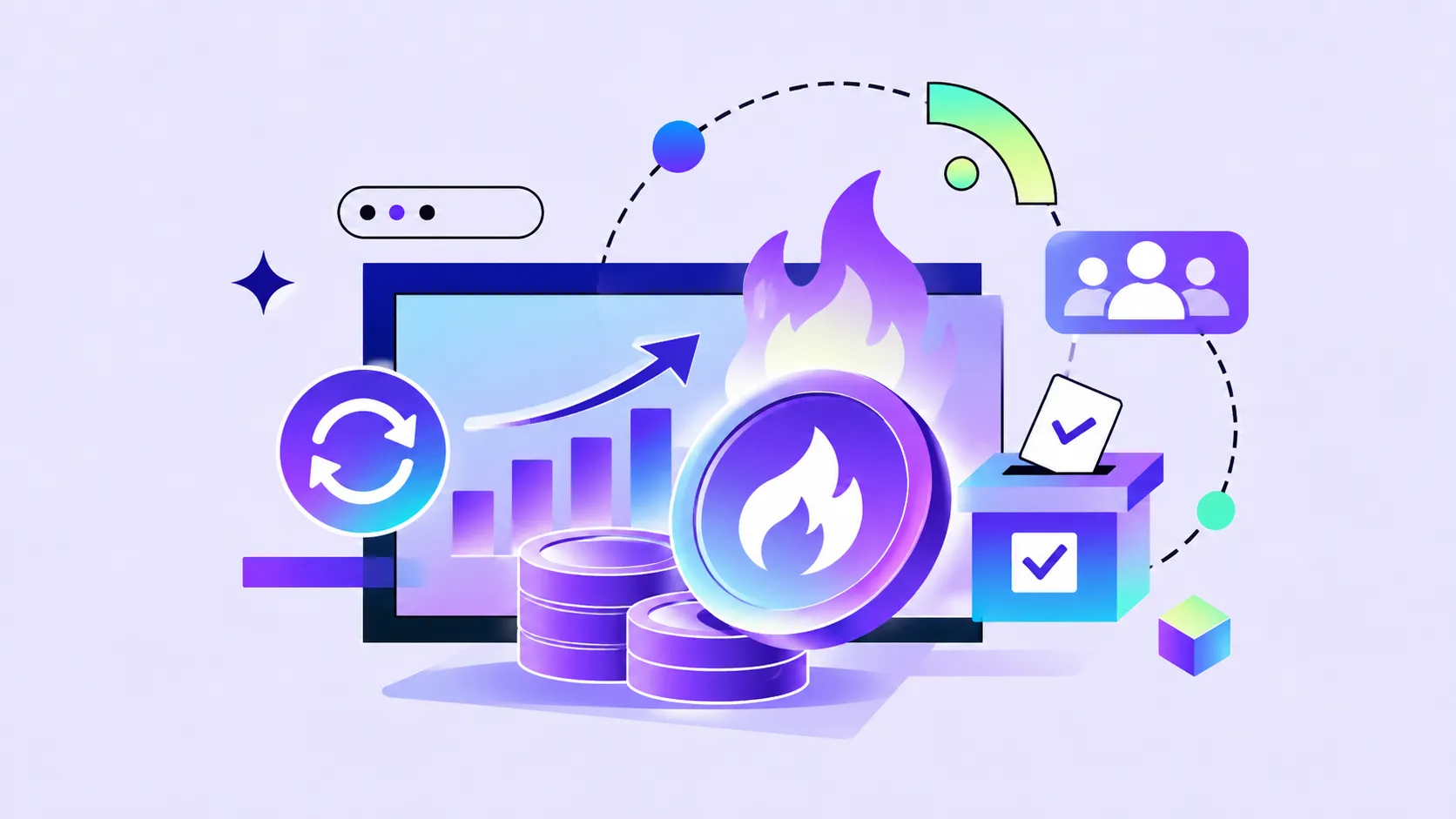
Understanding Deflationary Models: How Platform Buyback & Burn Empowers Long-Term Ecosystems
Deflationary tokenomics have become an important component of cryptocurrency ecosystem development. By combining limited token issuance, periodic market buybacks, and permanent token burns, blockchain platforms can introduce supply-management mechanisms that complement long-term utility and community participation.
At CoinW, our ecosystem token, CoinW Coin (CWC), combines a deflationary economic framework with trading benefits, AI-powered services, and opportunities for community feedback. Beyond its buyback-and-burn mechanism, CWC allows eligible holders to participate in non-binding community voting on selected platform matters, including potential token listings and product feature optimization.
These mechanisms are designed to connect platform development with token utility while giving community members opportunities to express their preferences. However, community votes do not determine CoinW's final decisions, and token burns do not guarantee price appreciation.
Users can explore the complete framework through the official CWC introduction.
Quick Summary
Deflationary tokenomics: A model designed to manage token supply through mechanisms such as permanent token burning.
CWC total supply: CoinW Coin has an announced total issuance of 200 million tokens, with no additional issuance under the published model.
Buyback and burn: CoinW describes periodic secondary-market CWC purchases funded by a portion of platform trading fee revenue, with 20% of repurchased tokens allocated to permanent burning under its published framework.
Community governance: CWC holders may participate in selected non-binding votes and feedback activities initiated by CoinW.
Listing votes: Community members may express preferences regarding candidate projects being considered for listing.
Feature optimization: Voting may help CoinW understand which product improvements and new features users prioritize.
Final authority: CoinW retains full decision-making discretion over listings, platform policies, and ecosystem development.
What Is a Deflationary Token Model?
A deflationary token model is a cryptocurrency economic framework that incorporates mechanisms intended to reduce the available or total token supply over time.
Unlike inflationary models, which may introduce additional tokens through ongoing issuance, deflationary models can use permanent burning to remove existing tokens from circulation.
A token burn generally involves transferring tokens to an address from which they cannot be recovered. Once successfully burned, those tokens are permanently inaccessible.
However, a declining token supply does not automatically create greater market demand or increase token prices. Cryptocurrency valuations continue to depend on adoption, liquidity, utility, investor sentiment, and broader market conditions.
How Buyback and Burn Mechanisms Work
A buyback-and-burn mechanism generally involves three stages:
Revenue generation: A cryptocurrency platform generates revenue through its business activities, such as trading services.
Token repurchases: The platform allocates eligible funds toward purchasing its native token from the secondary market.
Permanent burning: A designated portion of repurchased tokens is transferred to an inaccessible burn address, reducing the token supply once the transaction is completed.
Buybacks and burns are distinct operations. A repurchased token is not necessarily burned immediately, and tokens held in reserves remain different from tokens permanently removed from supply.
How Does CoinW's CWC Buyback and Burn Mechanism Work?
CoinW Coin (CWC) is the utility token of the CoinW ecosystem, designed to provide access to selected trading benefits, subscriptions, AI-powered services, and community participation opportunities.
According to CoinW's official framework, periodic CWC buybacks may be funded using a portion of platform trading fee revenue. The platform determines the timing and execution of these operations according to business development needs, market conditions, compliance requirements, and risk management considerations.
CoinW describes the use of phased purchases and algorithmic order splitting to help manage market impact. Buybacks do not follow a fixed public execution schedule.
The published long-term ecosystem allocation framework identifies five categories for repurchased CWC.
| Allocation Category | Share | Intended Purpose |
|---|---|---|
| Permanent Token Burn | 20% | Permanent removal of designated CWC tokens |
| Ecosystem Node Rewards | 20% | Potential staking rewards for ecosystem nodes |
| Asset Package Acquisition | 20% | Acquisition of major cryptocurrency assets |
| 10 Billion Incentive Fund | 20% | User incentives and token purchase subsidies |
| Investor Protection Fund | 20% | Resources intended for extreme market conditions |
The 20% permanent-burn allocation refers to the designated share of repurchased CWC, not 20% of the original 200 million token supply or 20% of CoinW's total revenue.
For a detailed explanation of supply allocation and vesting, see our CWC tokenomics guide.
How Does Community Governance Strengthen a Deflationary Ecosystem?
Token supply management is only one aspect of long-term ecosystem development. A sustainable cryptocurrency ecosystem also needs meaningful utility, active users, and mechanisms for understanding community preferences.
Community governance provides an additional participation channel. By allowing token holders to express opinions about selected platform decisions, projects can gather feedback from users who interact directly with their products and services.
In the CoinW ecosystem, CWC holders may participate in non-binding community voting on matters initiated by the platform.
This approach is intended to create opportunities for participation without transferring CoinW's operational, legal, or regulatory responsibilities to token holders.
What Does Non-Binding Community Governance Mean?
Non-binding governance means that voting results serve as advisory input rather than enforceable decisions.
For example, if CoinW organizes a vote on potential token listings, participants may indicate which candidate projects they would prefer to see supported. The result can help CoinW understand community interest, but it does not automatically authorize a listing.
Similarly, a vote favoring a particular platform feature does not guarantee that the feature will be developed, released, or implemented according to a specific schedule.
CoinW retains final decision-making authority based on applicable laws, regulatory obligations, user protection, commercial arrangements, risk management, and platform security.
This distinction is important: CWC participation does not provide ownership rights, corporate voting rights, or authority to direct CoinW's operations.
What Can CWC Holders Vote On?
CoinW's official CWC framework identifies several potential areas for community feedback and non-binding voting.
These opportunities are subject to CoinW initiating the relevant activity, establishing participation requirements, and determining which matters are suitable for community consultation.
1. New Token Listing Votes
New token listing votes allow eligible community members to express preferences regarding selected cryptocurrency projects being considered for the CoinW platform.
For example, CoinW may present candidate projects and invite participants to indicate which assets generate the greatest community interest.
Such feedback can help our teams understand demand for particular blockchain ecosystems, token categories, or emerging applications.
However, a favorable community vote does not guarantee a listing. Every potential listing remains subject to CoinW's independent assessment, applicable compliance procedures, security considerations, and other relevant requirements.
Users researching potential assets can explore crypto live prices and follow established cryptocurrencies such as Bitcoin (BTC) and Ethereum (ETH) for broader market context.
2. Product Feature Optimization Votes
Product feature optimization voting gives community members an opportunity to communicate which improvements they consider most useful.
Depending on the matters CoinW chooses to present, feedback may concern trading interfaces, platform functionality, data tools, user experience, or new service capabilities.
For instance, community members may express interest in improvements to trading analytics, AI-powered assistance, or the usability of existing platform services.
CoinW can use this feedback as one input when evaluating product development priorities.
Nevertheless, feature implementation depends on technical feasibility, resource availability, security assessments, regulatory considerations, and business priorities. Voting does not create a binding development commitment.
3. Trading Fee Policy Feedback
The CWC framework also identifies major trading fee adjustments as a potential subject for community consultation.
Community feedback can help CoinW assess how proposed fee policies may affect different user groups and trading activities.
Any final changes to trading fees remain subject to CoinW's decision-making procedures and applicable platform terms.
4. Ecosystem Fund Usage
CWC holders may also be invited to provide feedback on selected ecosystem fund allocation matters.
Such consultations can help identify community preferences concerning ecosystem development, participation incentives, or other eligible initiatives.
Community voting does not provide token holders with direct control over CoinW's treasury, funds, or financial commitments.
How Do Listing Votes and Feature Optimization Votes Differ?
Although both mechanisms provide opportunities for community input, they address different aspects of platform development.
| Feature | Listing Votes | Feature Optimization Votes |
|---|---|---|
| Primary Objective | Understand interest in candidate cryptocurrency projects | Understand priorities for platform improvements |
| Community Input | Preferences regarding selected potential listings | Preferences regarding selected features and functionality |
| Potential Benefit | Better understanding of user interest in digital assets | Better alignment of product research with user needs |
| Voting Authority | Non-binding advisory input | Non-binding advisory input |
| Final Decision | CoinW | CoinW |
Both voting categories can provide useful feedback while preserving CoinW's responsibility for platform operations and user protection.
How Can Deflationary Tokenomics and Community Participation Work Together?
Buyback-and-burn mechanisms and community governance serve different purposes within a token ecosystem.
Deflationary tokenomics address token supply management, while community governance provides opportunities for users to contribute feedback about ecosystem development.
When combined with practical token utility, these mechanisms can form part of a broader participation model.
Platform participation: Users access CoinW's trading services, subscriptions, and other supported ecosystem products.
Token utility: Eligible users may use CWC for selected trading benefits, AI services, and other platform features.
Community feedback: CWC holders may participate in non-binding votes on selected listing candidates or product improvements.
Platform evaluation: CoinW considers community preferences alongside compliance, security, operational, and commercial requirements.
Supply management: Periodic buybacks and designated token burns may reduce CWC supply when executed.
Ecosystem development: Product improvements and additional utility may create further opportunities for participation.
This illustrates a potential relationship between ecosystem activity, community engagement, and token supply management. It does not establish a guaranteed growth cycle or imply that voting participation causes token appreciation.
What Other Utilities Does CWC Provide?
Community participation is one component of CWC's broader utility framework.
CoinW's published CWC introduction identifies additional benefits and service applications, subject to the relevant product rules, eligibility requirements, and implementation arrangements.
Trading fee benefits: CWC can be used for eligible spot trading fee discounts.
VIP privileges: CWC holdings may contribute toward qualifying for selected VIP tier benefits.
AI-powered services: CWC is designed to support access to AI Agents, market data services, strategy subscriptions, and related applications.
Monthly subscriptions: Eligible users may access selected PRO or MAX subscription benefits.
Earn benefits: CWC may provide access to selected Earn-related incentives and participation opportunities.
Community participation: Holders may contribute feedback through selected non-binding governance activities.
These utilities are intended to give CWC practical applications beyond its supply-management mechanism.
For additional information, read our guide to CWC benefits and tokenomics.
How Does CoinW Promote Transparency in Buybacks and Burns?
Transparency is an important consideration when evaluating platform-managed token supply mechanisms.
CoinW's published CWC framework describes several disclosure commitments intended to allow users to monitor buyback-and-burn activity.
Buyback disclosures: Publication of buyback amounts, average execution prices, and transaction hashes following relevant operations.
Public burn address: A designated address intended to allow the community to identify permanent token burns.
On-chain verification: Publication of transaction hashes that users can inspect through the relevant blockchain explorer.
Quarterly reporting: A published commitment to periodic buyback-and-burn reports.
Community oversight: Opportunities for users to independently review disclosed transaction records.
These measures are designed to improve the verifiability of completed operations. Users should distinguish announced plans and allocation frameworks from actual transactions recorded on-chain.
Importantly, transparency regarding token burns is separate from community voting. CWC holders may review disclosed transactions, but this does not grant them authority over CoinW's buyback execution or treasury management.
What Are the Limitations and Risks of Deflationary Models?
Although buyback-and-burn mechanisms can contribute to token supply management, they also involve limitations that users should understand.
No guaranteed appreciation: A smaller token supply does not automatically produce higher market prices.
Discretionary execution: Buyback timing, funding, and execution depend on CoinW's business, compliance, and risk management considerations.
Market volatility: CWC remains exposed to cryptocurrency market fluctuations and changes in demand.
Governance limitations: Community votes are advisory and do not create enforceable obligations.
Implementation uncertainty: Planned product features, voting activities, and ecosystem benefits may be modified, delayed, or unavailable in certain circumstances.
Regulatory considerations: Applicable laws and compliance requirements may affect token-related activities and platform decisions.
Liquidity risk: Buyback programs do not guarantee continuous liquidity or protection against market losses.
Users should evaluate token utility, actual adoption, official disclosures, and personal risk tolerance rather than relying exclusively on deflationary mechanisms.
How Can CWC Holders Participate in Community Voting?
CWC holders interested in community governance should begin by reviewing CoinW's official announcements and the conditions of any available voting activity.
Participation may depend on the specific activity, eligibility requirements, account conditions, and other rules announced by CoinW.
Review the CWC framework: Understand the token's utility and the advisory nature of community voting.
Follow official announcements: Check whether CoinW has opened a listing vote, product feedback activity, or another eligible consultation.
Check participation requirements: Review any applicable CWC holding conditions, verification requirements, deadlines, and voting rules.
Evaluate the proposal: Consider the purpose, potential benefits, and limitations of the matter presented for voting.
Submit feedback when eligible: Participate through the official mechanism designated for the activity.
Monitor the outcome: Follow CoinW's subsequent announcements to understand whether any related decision or implementation has been confirmed.
Holding CWC does not guarantee that voting activities will always be available, that every holder will qualify for every activity, or that a preferred outcome will be implemented.
FAQs
What is a deflationary cryptocurrency model?
A deflationary cryptocurrency model incorporates mechanisms intended to reduce token supply over time. Permanent token burning is one commonly used approach.
How does CoinW's CWC buyback-and-burn mechanism work?
CoinW describes periodic secondary-market CWC buybacks funded by a portion of platform trading fee revenue. Its published framework allocates 20% of repurchased tokens to permanent burning, subject to execution arrangements.
Can CWC holders vote on new token listings?
Yes. CoinW's official framework allows for selected non-binding community votes on candidate token listings. These votes provide advisory input and do not guarantee that a project will be listed.
Can CWC holders vote on platform features?
CWC holders may participate in selected votes concerning product feature optimization and development priorities when CoinW makes those activities available.
Are CWC governance votes binding?
No. Community voting results are references for CoinW's decision-making process. CoinW retains final authority over platform operations, listing decisions, and product development.
Does owning more CWC automatically provide greater voting power?
The official CWC introduction does not establish a universal voting-weight formula for all activities. Any voting eligibility, weighting, or participation rules must be determined by the terms of the relevant activity.
Does burning CWC guarantee that its price will increase?
No. Token burns can reduce supply when completed, but CWC's market price remains subject to demand, liquidity, market conditions, and other factors.
How can users verify CWC token burns?
CoinW's published framework describes public burn addresses, transaction hashes, and periodic reports intended to support independent verification of completed burns.
Conclusion
Deflationary tokenomics and community participation represent two complementary elements of cryptocurrency ecosystem design.
Buyback-and-burn mechanisms can provide a framework for managing token supply, while non-binding community governance gives token holders opportunities to communicate their preferences about selected platform decisions.
For CoinW Coin (CWC), these mechanisms form part of a broader utility framework that includes trading benefits, AI-powered services, ecosystem incentives, and community engagement.
By allowing feedback on potential token listings, product feature optimization, and other selected matters, CoinW aims to maintain communication with its community while retaining the responsibility to make final decisions in accordance with applicable requirements.
The long-term effectiveness of this model will depend on actual utility, transparent execution, responsible platform development, and sustained user participation rather than token burns or voting activity alone.
References / Sources
CoinW: Official CWC Introduction, Tokenomics, Buyback & Burn, and Governance
CoinW: Announcement on the Official Upgrade of CoinW Platform Token to CWC
CoinW Academy: CWC Tokenomics, 200 Million Supply, Vesting and Burns
CoinW Academy: What Is CWC? CoinW Token Benefits and Tokenomics
Disclaimer: This article is for educational and informational purposes only and does not constitute investment advice or a recommendation to purchase or sell digital assets. CWC-related services, voting activities, and ecosystem benefits are subject to applicable terms, eligibility requirements, and platform decisions. Cryptocurrency trading involves substantial risk, including possible loss of principal.
こちらもおすすめ
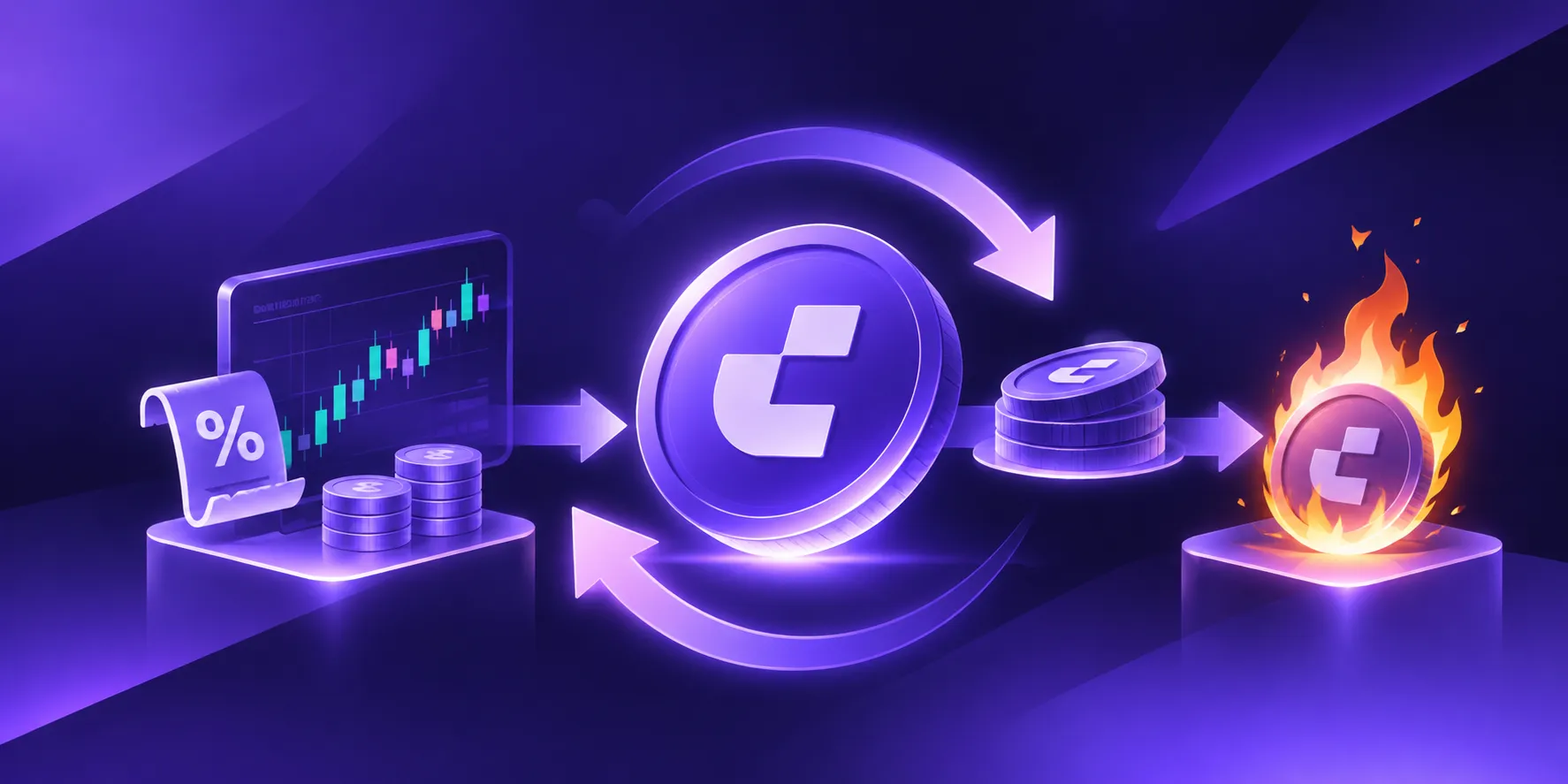
デフレモデルの理解:買い戻しとバーンが暗号エコシステムを支える仕組み
デフレトークンモデルの仕組みと、CoinWのCWCエコシステムが取引手数料収益、トークン買い戻し、20%の永久バーンメカニズムを組み合わせて長期的な持続可能性を支えている方法を探ります。
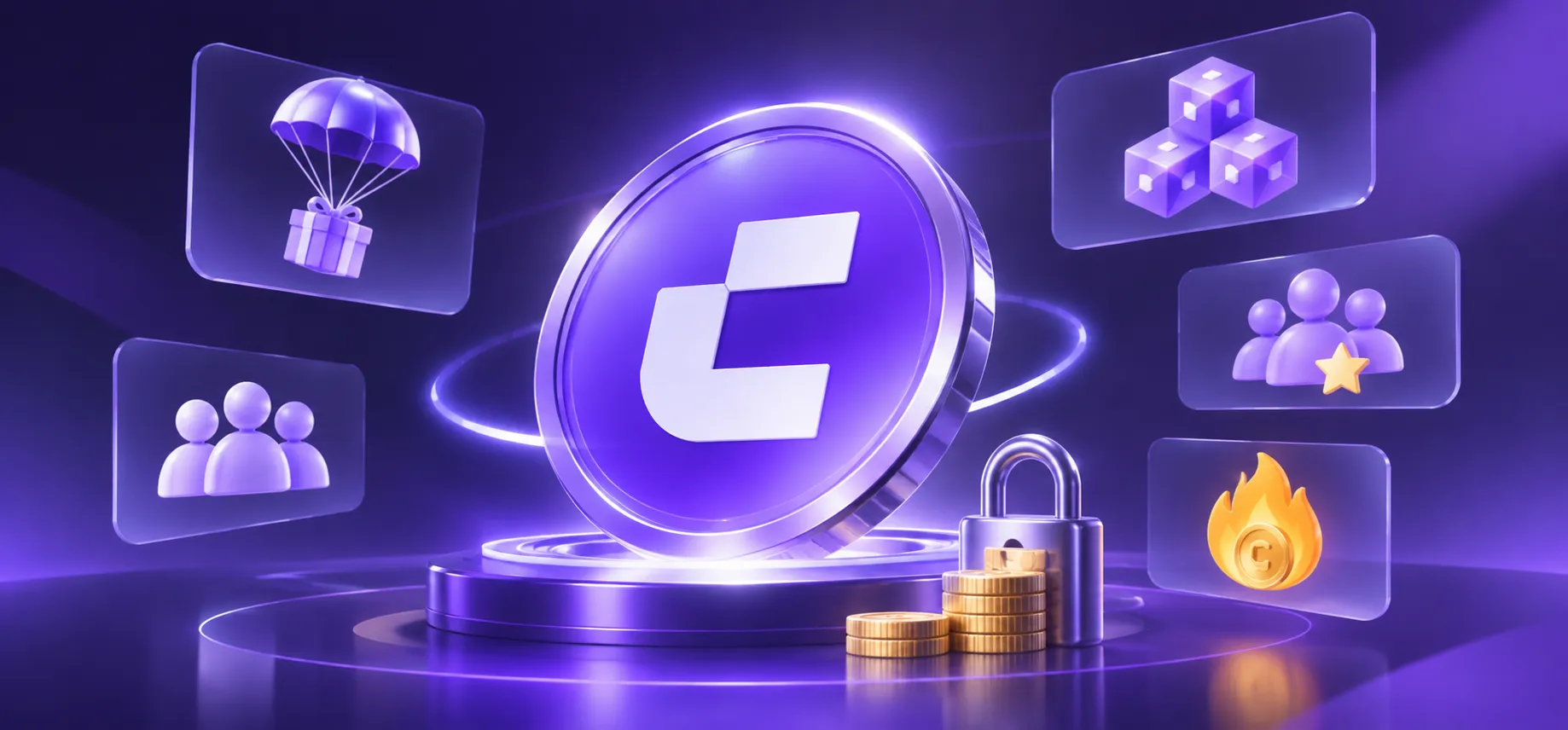
CWCトークノミクス解説:2億トークンの供給、配分、ベスティング&バーン
CWCのトークノミクスとCoinWの2億トークン供給がエアドロップ、コア貢献者、エコシステム開発、チームインセンティブにどのように分配されているかを詳しく解説します。ベスティングスケジュール、トークンロックアップ、買戻し、バーンの仕組みについて学びましょう。
ビットコイン流動性の解説:BTCヒートマップ、市場深度と価格変動
ビットコインの流動性の仕組み、BTC市場深度に影響を与える要因、流動性ヒートマップ、清算クラスター、グローバル流動性がビットコインの価格と取引戦略にどのように影響するかを学びましょう。